
A Guide to IoT Product Development
- hello593537
- Nov 10
- 4 min read
The Internet of Things (IoT) is no longer a futuristic concept; it’s a vibrant reality reshaping industries and research worldwide. As I dive into the world of IoT innovation processes, I’m excited to share insights that can help you navigate the complex yet rewarding journey of creating smart, connected products. Whether you’re aiming to optimise operations, enhance data collection, or pioneer new technologies, understanding the steps behind successful IoT product development is crucial.
IoT innovation processes blend creativity, technology, and strategy. They demand a clear vision, meticulous planning, and agile execution. Let’s explore how to bring your IoT ideas to life, leveraging Northern Ireland’s unique environment as a real-world testing ground for robust solutions.
Understanding IoT Innovation Processes: The Foundation of Success
Before jumping into development, it’s essential to grasp what IoT innovation processes entail. These processes are the structured steps that guide the creation of IoT products from concept to market-ready solutions. They ensure that every element - hardware, software, connectivity, and user experience - works harmoniously.
At the heart of these processes lies problem identification. What challenge are you solving? For example, a manufacturing plant might want to reduce downtime by monitoring equipment health in real-time. Defining this clearly sets the stage for targeted innovation.
Next comes ideation and feasibility analysis. Here, brainstorming sessions and technical assessments help shape the product’s core features. Can sensors accurately capture the needed data? Is the network infrastructure reliable enough? These questions are vital.
Finally, prototyping and testing transform ideas into tangible devices. This phase is iterative, involving multiple cycles of refinement based on real-world feedback. Northern Ireland’s diverse landscapes and industrial sectors offer an ideal environment to test IoT devices under varied conditions.

Key Stages in IoT Innovation Processes
Breaking down the innovation journey into clear stages makes the complex manageable. Here’s a roadmap that I find invaluable:
1. Research and Market Analysis
Understanding your target environment and user needs is non-negotiable. This involves:
Analysing industry trends and competitor products
Identifying gaps and opportunities
Gathering user feedback and pain points
For instance, in agriculture, IoT devices can monitor soil moisture and weather patterns. Research helps tailor solutions that fit specific crops and climates.
2. Concept Development and Design
With insights in hand, sketch out your product’s architecture. This includes:
Selecting sensors and communication protocols (e.g., LoRaWAN, NB-IoT)
Designing hardware layouts and enclosures
Planning software features and cloud integration
A well-thought-out design balances functionality with cost-effectiveness and durability.
3. Prototype Creation and Validation
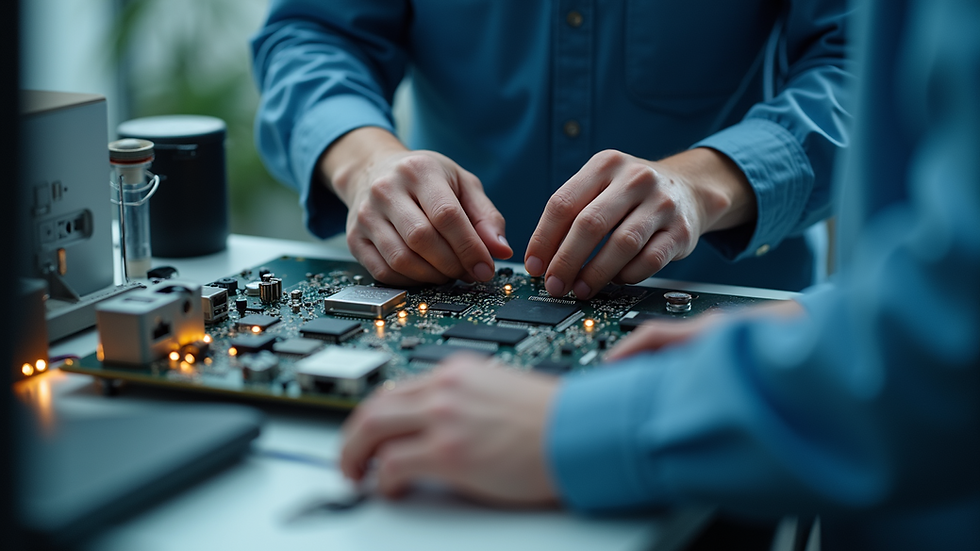
Building a working prototype is where theory meets reality. Use rapid prototyping tools and platforms to:
Assemble hardware components
Develop firmware and user interfaces
Conduct lab and field tests
Validation ensures the product performs reliably under expected conditions.
4. Production and Deployment
Once validated, scale up manufacturing while maintaining quality control. Deployment involves:
Installing devices in operational settings
Integrating with existing systems
Training users and providing support
Continuous monitoring post-deployment helps catch issues early and informs future improvements.
Navigating Challenges in IoT Product Development
Every innovation journey encounters hurdles. Anticipating and addressing these challenges can save time and resources.
Connectivity and Network Reliability
IoT devices depend on stable connections. In remote or industrial areas, network coverage can be patchy. Choosing the right communication technology and planning for redundancy is critical.
Security and Privacy Concerns
With data flowing constantly, protecting sensitive information is paramount. Implementing robust encryption, secure authentication, and regular updates guards against cyber threats.
Power Management
Many IoT devices operate in locations without easy access to power. Designing for low energy consumption and exploring energy harvesting options can extend device lifespan.
Scalability and Integration
As your IoT ecosystem grows, ensuring devices and platforms work seamlessly together is essential. Open standards and modular designs facilitate scalability.
Practical Tips for Successful IoT Innovation
Drawing from experience, here are actionable recommendations to enhance your IoT product development journey:
Start small, think big: Begin with a minimum viable product (MVP) to test core functionalities before expanding features.
Engage stakeholders early: Collaborate with end-users, industry experts, and partners to align expectations and gather diverse insights.
Leverage local environments: Use Northern Ireland’s natural and industrial settings as a live lab to validate your solutions under real conditions.
Prioritise user experience: Intuitive interfaces and seamless integration increase adoption and satisfaction.
Plan for lifecycle management: Consider maintenance, updates, and end-of-life strategies from the outset.
By following these tips, you can build IoT products that are not only innovative but also practical and sustainable.
Embracing the Future with Confidence
The path to successful IoT innovation is both challenging and exhilarating. It requires a blend of technical expertise, creative problem-solving, and strategic foresight. As you embark on this journey, remember that every step forward brings you closer to transforming industries and advancing research.
If you’re ready to explore tailored solutions and expert guidance, consider partnering with specialists in iot product development. Their experience in leveraging Northern Ireland’s unique environment can accelerate your innovation and ensure your products thrive in the real world.
The future is connected, smart, and full of possibilities. Let’s build it together.


