
IoT Transformations in Healthcare
- hello593537
- Oct 27, 2025
- 4 min read
The world of healthcare is evolving at a breathtaking pace, and at the heart of this transformation lies the Internet of Things (IoT). As someone deeply invested in the intersection of technology and health, I find the innovations emerging from healthcare IoT nothing short of revolutionary. These smart devices and connected systems are not just enhancing patient care—they are redefining how we think about health management, diagnostics, and treatment.
Imagine a world where your health is continuously monitored, where doctors can intervene before symptoms even appear, and where hospitals operate with unprecedented efficiency. This is not science fiction; it is the reality being shaped by healthcare IoT innovations today.
The Rise of Healthcare IoT Innovations
Healthcare IoT innovations are reshaping the medical landscape by integrating smart devices, sensors, and data analytics into everyday health practices. These technologies enable real-time data collection and analysis, providing healthcare professionals with insights that were once impossible to obtain.
For example, smart inhalers now track medication usage and environmental triggers for asthma patients, helping to prevent attacks before they happen. Similarly, connected insulin pumps adjust dosages automatically based on continuous glucose monitoring, offering diabetic patients a new level of control and safety.
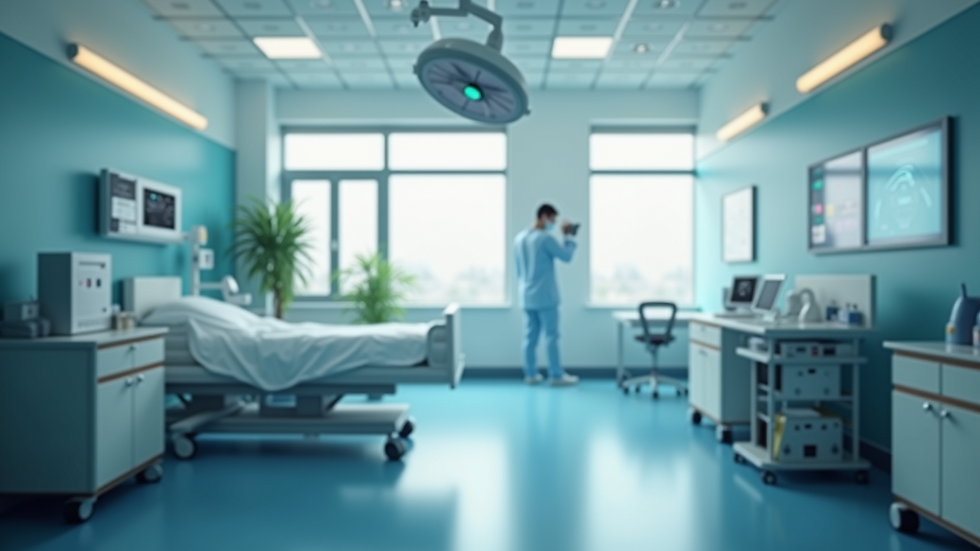
Hospitals are also benefiting from IoT innovations. Asset tracking systems ensure critical equipment is always available, while smart beds monitor patient movement and vital signs, alerting staff to potential issues immediately. This not only improves patient outcomes but also optimises hospital workflows, reducing costs and enhancing care quality.

These innovations are not just improving individual care—they are creating a connected ecosystem where data flows seamlessly between patients, devices, and healthcare providers. This connectivity is the foundation for predictive analytics, personalised medicine, and more efficient healthcare delivery.
How IoT Devices Can Be Used for Health Monitoring?
One of the most exciting applications of healthcare IoT innovations is in health monitoring. IoT devices can track a wide range of physiological parameters continuously and non-invasively, providing a comprehensive picture of a patient’s health status.
Wearable devices like smartwatches and fitness bands monitor heart rate, sleep patterns, and physical activity. More advanced wearables can detect irregular heart rhythms, blood oxygen levels, and even stress indicators. These devices empower individuals to take charge of their health by providing actionable insights and alerts.
Beyond wearables, implantable devices such as pacemakers and neurostimulators communicate wirelessly with healthcare providers, allowing for remote adjustments and monitoring. This reduces the need for frequent hospital visits and enables timely interventions.
Remote patient monitoring (RPM) systems are another game-changer. Patients with chronic conditions can use connected devices at home to measure blood pressure, glucose levels, or respiratory function. The data is transmitted securely to healthcare teams, who can detect early warning signs and adjust treatment plans accordingly.

The benefits of IoT in health monitoring are clear:
Early detection of health issues
Improved chronic disease management
Reduced hospital readmissions
Enhanced patient engagement and compliance
By harnessing these technologies, healthcare providers can deliver more personalised, proactive care that improves outcomes and reduces costs.
Practical Applications and Real-World Impact
The practical applications of healthcare IoT innovations extend across various medical fields and settings. Let’s explore some specific examples that highlight the transformative potential of these technologies.
Smart Hospitals
Hospitals equipped with IoT systems can track everything from patient flow to equipment usage. For instance, RFID tags on surgical instruments ensure none are left behind after procedures, enhancing patient safety. Environmental sensors monitor air quality and temperature to prevent infections.
Telemedicine and Virtual Care
IoT devices enable telemedicine by providing accurate, real-time health data during virtual consultations. This is especially valuable in rural or underserved areas where access to specialists is limited. Patients can receive expert care without leaving their homes.
Elderly Care and Assisted Living
For the ageing population, IoT solutions offer independence and security. Sensors can detect falls, monitor medication adherence, and alert caregivers in emergencies. This technology supports ageing in place, improving quality of life.
Clinical Trials and Research
IoT devices facilitate data collection in clinical trials, providing continuous, objective measurements rather than relying on patient recall. This leads to more reliable results and faster development of new treatments.
Personalised Medicine
By integrating IoT data with genetic and lifestyle information, healthcare providers can tailor treatments to individual patients. This approach increases effectiveness and minimises side effects.
Challenges and Considerations in Healthcare IoT
While the promise of healthcare IoT innovations is immense, there are important challenges to address to ensure these technologies reach their full potential.
Data Security and Privacy
Healthcare data is highly sensitive, and IoT devices increase the number of potential entry points for cyberattacks. Robust encryption, secure authentication, and compliance with regulations like GDPR are essential to protect patient information.
Interoperability
Many IoT devices come from different manufacturers and use various communication protocols. Ensuring these devices can work together seamlessly is critical for creating integrated healthcare systems.
Data Overload
The volume of data generated by IoT devices can be overwhelming. Healthcare providers need advanced analytics and AI tools to extract meaningful insights without being bogged down by raw data.
Cost and Accessibility
Implementing IoT solutions can be expensive, and not all healthcare providers or patients have equal access to these technologies. Strategies to reduce costs and improve accessibility are vital for widespread adoption.
User Training and Acceptance
Both healthcare professionals and patients must be comfortable using IoT devices. Training and intuitive design play a key role in successful implementation.
Looking Ahead: The Future of Healthcare IoT Innovations
The future of healthcare is undeniably connected. As IoT technologies continue to advance, we can expect even more sophisticated devices and systems that anticipate health needs and deliver personalised care at scale.
Imagine smart homes that monitor your health environment, AI-powered diagnostics that analyse IoT data instantly, and global health networks that track disease outbreaks in real time. These innovations will not only improve individual health but also enhance public health and research.
For industries, researchers, and businesses seeking custom IoT solutions, the opportunities are vast. By leveraging Northern Ireland’s unique natural environment as a real-world testing ground, companies like Tigertek are pioneering robust, smart technologies that empower healthcare and beyond.
If you want to explore how iot in healthcare can revolutionise your operations or research, now is the time to engage with these cutting-edge innovations.
The journey of healthcare IoT innovations is just beginning, and the possibilities are as exciting as they are transformative. Together, we can build a healthier, smarter future where technology and care go hand in hand.


